
The Evolution of Forex Software Trading Opportunities and Tools for Success
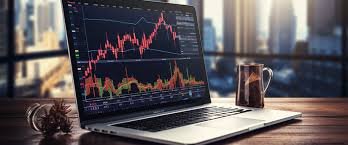
In the dynamic realm of Forex trading, software has transformed the way traders interact with the market, making it accessible to novices and seasoned professionals alike. With a plethora of options available, traders can tailor their tools to align with their individual strategies and preferences. One notable resource for traders in East Africa is forex software trading Trading Uganda, providing insights and services that enhance the trading experience.
Understanding Forex Software Trading
Forex, or foreign exchange trading, is the process of exchanging one currency for another with the aim of making a profit. Over the years, the Forex market has evolved significantly, and so has the technology that supports it. Today, Forex software trading encompasses everything from simple charting tools to advanced automated trading systems. These tools empower traders to make informed decisions based on data analysis, market trends, and economic indicators.
Types of Forex Trading Software
There are several categories of Forex trading software, each catering to specific trading needs. Here’s a breakdown of the most common types:
- Trading Platforms: These are the most popular Forex software tools. Platforms like MetaTrader 4 (MT4) and MetaTrader 5 (MT5) offer robust features, including charting tools, technical indicators, and automated trading options.
- Expert Advisors (EAs): EAs are automated trading systems that can execute trades on behalf of the trader based on predefined criteria. These tools benefit those who may not have the time to monitor the market constantly.
- Signal Providers: These services deliver market insights and signals for potential trading opportunities. Traders can subscribe to these services to receive alerts via email or directly on their trading platforms.
- Backtesting Software: This software allows traders to test their strategies on historical data, providing valuable insights into what might work in real-market conditions without financial risk.
- Risk Management Tools: These are essential for controlling losses and managing capital. Software in this category helps traders set stop-loss orders, position sizes, and assess overall portfolio risks.
Choosing the Right Forex Software
With numerous options available, selecting the right Forex software can be overwhelming. Traders should consider several factors, such as:
- User Interface: A user-friendly interface is crucial for efficient trading. Ensure the software you choose is intuitive and easy to navigate.
- Features and Tools: Depending on your trading strategy, you may need specific features, such as automated trading capabilities, a variety of technical indicators, or customizable charting options.
- Reliability: Look for software that is well-reviewed and has a proven track record. A reliable platform should minimize downtime and provide timely updates.
- Cost: While some software may be free, others require subscriptions or one-time payments. Evaluate your budget and choose a tool that offers the best value for your needs.
- Customer Support: Effective customer support is essential, particularly for those new to Forex trading. Ensure the software provider offers timely and helpful assistance.
Maximizing Trading Success with Software
Utilizing Forex software can significantly enhance a trader’s success rate. Here are some strategies to maximize your trading potential:
- Stay Informed: Utilize news feeds and market analysis tools embedded within software platforms to stay updated on trends and macroeconomic developments.
- Continuous Learning: The Forex market is constantly changing. Engage with the educational resources offered by Forex platforms to refine your skills and knowledge.
- Test Strategies: Use backtesting software to analyze the effectiveness of trading strategies without the risk of losing real money. Adjust your approach based on performance results.
- Set Realistic Goals: Define clear and achievable goals for your trading. Utilize software tools to track performance against these goals and make adjustments as needed.
- Practice Risk Management: Never underestimate the importance of risk management tools. Set appropriate stop-loss levels, diversify your portfolio, and only trade with money you can afford to lose.
The Future of Forex Software Trading
The future of Forex trading will likely see continued innovation in software solutions. As technology advances, we can expect to see enhanced data analytics, AI-driven decision-making tools, and even more sophisticated algorithms for automated trading. Additionally, the integration of big data and machine learning will provide traders with deeper insights, leading to more informed trading decisions.
Conclusion
Forex software trading has revolutionized the way individuals engage with the financial markets. By leveraging the right tools and strategies, traders can enhance their trading experience and improve their chances of success. As the market continues to evolve, embracing new technologies and refining one’s trading strategy will be essential for staying competitive. Those who are well-informed and adaptable are likely to thrive in the ever-changing landscape of Forex trading.
For traders in regions like East Africa, resources such as Trading Uganda offer important insights and tools, making it easier to navigate the complexities of Forex trading.